MAIMBUNG, SULU: ISLAND HOPPING AROUND MAIMBUNG BAY Besides the atoll-like islands of Hadji Panglima Tahil, the southern coast of Jolo island in Sulu harbors a few more islets worth exploring off the coast of Maimbung. My friend and I enjoyed an exclusive island-hopping tour where we got to visit Bualu Bat Sanctuary, Takut Islets and Teomabal Island.
First, we visited the Bualu Bat Sanctuary, a mangrove forest on the mainland that provided a lush refuge for giant flying foxes. These are some of the largest bat species with wingspans that can reach almost four feet! We strolled through the forest out to sea on a footbridge built over crystal clear waters. I was so tempted to take a swim, but we had to head off to the town center to hop on the speedboat to take us to the islands offshore.
Our boat docked at the provincial governor’s private resort built on stilts over the coral-fringed sandbars of Takut Islets. It was a beautiful retreat with handsome views of the mountains on Jolo island. I, on the other hand, had less sedentary plans, donning a mask and fins to snorkel over the surrounding coral reefs.
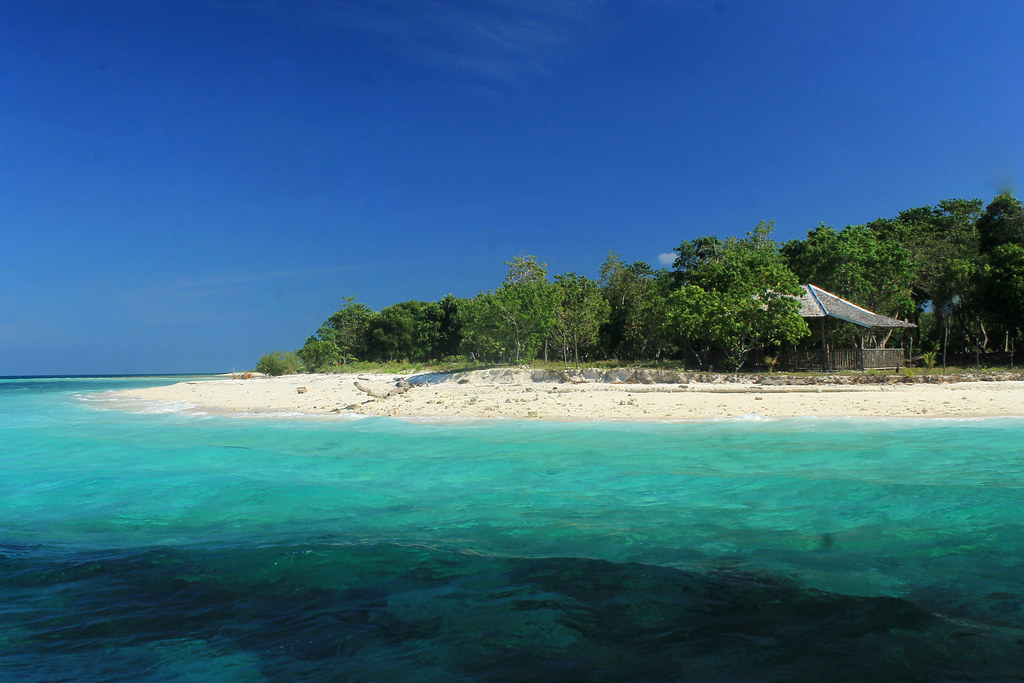
We finished our “tour” of Maimbung Bay by dropping by the virgin white-sand island of Teomabal, which we only admired from a distance as our speedboat couldn’t land shore because of the unfavorable waves. Indeed, Maimbung was where we first recognized the natural wealth of Sulu.

 Site Title
